- October 29, 2026
- Posted by: aadish
- Category: Money Matters
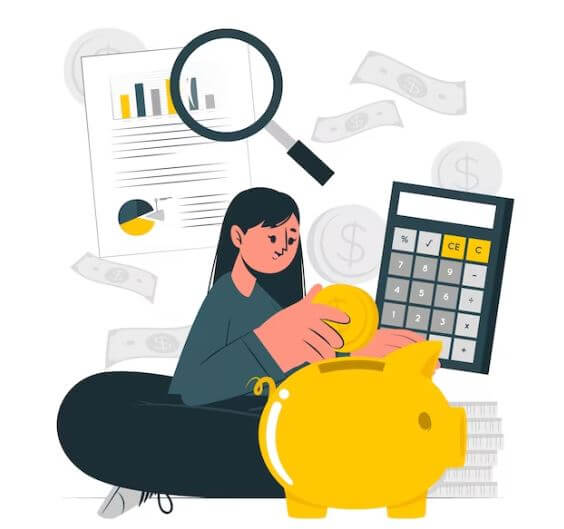
Emergency Fund: The Financial Safety Net You Should Build First
Before focusing on investment returns, make room for the unexpected. An emergency reserve can help protect your financial plans when life does not go to plan.
Introduction
A financial plan is tested not only by markets, but also by unexpected events. A medical expense, temporary loss of income, urgent family responsibility or essential repair can disrupt even a carefully managed budget. An emergency fund is intended to absorb some of that shock without forcing you to abandon longer-term goals or borrow at short notice.
What Is an Emergency Fund?
An emergency fund is money set aside for unexpected expenses or a temporary interruption in income. It is different from savings earmarked for a holiday, a vehicle, a home purchase or another known future expense. Planned expenses are better handled through separate goal-based savings.
How Much Should You Keep?
There is no single amount that is right for every household. Start by calculating essential monthly outgoings: housing, food, utilities, insurance, necessary transport, loan repayments and other non-discretionary commitments.
Then consider how stable your income is, whether others depend on you, how many income earners are in the household and how quickly you could replace lost income. A person with variable earnings or significant dependants may need a larger reserve than someone with stable income and fewer commitments.
Where Should You Keep It?
Accessibility and capital stability are generally more important than pursuing the highest possible return. Consider whether the money can be accessed quickly, whether its value can fluctuate, and whether withdrawal conditions or delays could create a problem during an emergency.
Avoid relying entirely on investments whose value may fall just when the funds are needed. Keep the arrangement simple enough that you can access the money under pressure.
What an Emergency Fund Is Not
Not a substitute for insurance
An emergency reserve can support you, but it does not replace suitable health, life or other insurance cover.
Not routine spending money
Keep it separate from money for discretionary purchases and planned expenses.
Not something to build overnight
If the target feels large, begin with a manageable amount and build gradually.
Not a long-term investment goal
Its main purpose is access and resilience, not chasing the highest possible return.
A Practical Starting Checklist
Review your last few months of expenses; identify essential costs; decide what level of reserve reflects your circumstances; choose an accessible place to hold it; and review the amount when your income, family responsibilities or fixed expenses change.
Your Emergency Fund: A Quick Planning Exercise
Step 1 — Calculate essential monthly expenses. Include housing, groceries, utilities, necessary transport, insurance premiums and minimum loan repayments.
Step 2 — Consider your income stability. Think about how predictable your income is, how many people depend on it and how quickly you could replace it if it stopped.
Step 3 — Set a target and build gradually. Choose a reserve that reflects your circumstances, keep it accessible and review it when your responsibilities or expenses change.
Keep separate: planned purchases, annual bills and long-term investments should not be confused with emergency savings.
The Investor Perspective
Conclusion
Before asking how much to invest, ask how you would manage an unexpected expense or a temporary income gap. Building an emergency fund can be a practical first step towards a more resilient financial life.
About Money Matters
Money Matters is Deft Services’ educational series on personal finance, mutual funds, insurance, taxation and related topics. Follow the series to explore financial concepts in clear, practical language.
Follow Deft Services on LinkedIn for future posts. Have a topic in mind? Write to us at servicesdeft@gmail.com.

CA Aadish Jain
Through Deft Services’ Money Matters series, we aim to explain financial concepts in practical, accessible language and help readers ask better questions before making financial decisions.
Keep Learning With Money Matters
Explore personal finance and investment concepts through Deft Services’ educational series. The aim is to help readers understand the questions to ask before making financial decisions.
Regulatory Disclosures
Deft Services is an AMFI-Registered Mutual Fund Distributor | ARN-110481, APRN-05434.
Registered Office: 21st, Badal Textile Market, Pur Road, Bhilwara, Rajasthan – 311001.
This article is intended for general educational and awareness purposes only. It does not constitute investment advice, a research report, a recommendation, or an offer to buy or sell any security or financial product. Readers should review the relevant scheme information documents and assess their own circumstances before making financial decisions.
Mutual Fund investments are subject to market risks. Read all scheme-related documents carefully.
